English

Views: 180 Author: Site Editor Publish Time: 2025-08-15 Origin: Site
When selecting materials for outdoor construction—whether for decking, fencing, or cladding—homeowners and contractors often weigh initial costs against long-term value. Wood Plastic Composite (WPC) has gained popularity as a durable and low-maintenance alternative to traditional wood and PVC. But is WPC truly more cost-effective over time? Let's break it down.
WPC products typically have a higher upfront cost than untreated natural wood. However, they are often more affordable than high-grade PVC or capped composite materials. While wood may seem budget-friendly at first, it's important to look beyond the initial price tag.
Wood requires ongoing treatment, including staining, sealing, painting, and repairs from rot or termites. These maintenance efforts quickly add up in labor, time, and materials.
WPC, on the other hand, is virtually maintenance-free. It doesn't need painting or sealing, and it's resistant to water, insects, and UV damage. Occasional cleaning with water and mild soap is usually sufficient—significantly reducing yearly maintenance costs.

WPC products typically last 15–25 years or more, depending on the quality and usage. They are engineered to resist cracking, warping, rotting, and fading, making them suitable for various climates.
In contrast, wood is prone to decay and deformation over time, especially in wet or hot climates. PVC is weather-resistant but can become brittle or discolored with prolonged UV exposure, particularly if it's a lower-grade product.
While wood offers a natural, classic appearance, it often requires refinishing to maintain that look. WPC provides a wood-like appearance with fade-resistant color, helping maintain its aesthetic value over the years without extra effort.
PVC may look sleek when new, but it can appear artificial or plasticky and is more prone to color fading unless it's high-end or UV-capped.

High-quality WPC is made from recycled materials and is fully recyclable, making it an environmentally responsible choice. Since WPC is less likely to need replacement due to damage or decay, it reduces material waste and replacement expenses.
Wood, especially pressure-treated or exotic types, contributes to deforestation and often ends up in landfills. PVC, being plastic-based, is less eco-friendly and harder to recycle.
While WPC may cost more initially than wood, and may compete closely with premium PVC in upfront pricing, its long lifespan, low maintenance, and resistance to damage make it the most cost-effective option over time.
For homeowners, architects, and contractors looking to reduce future maintenance and replacement costs, WPC offers long-term savings and peace of mind.
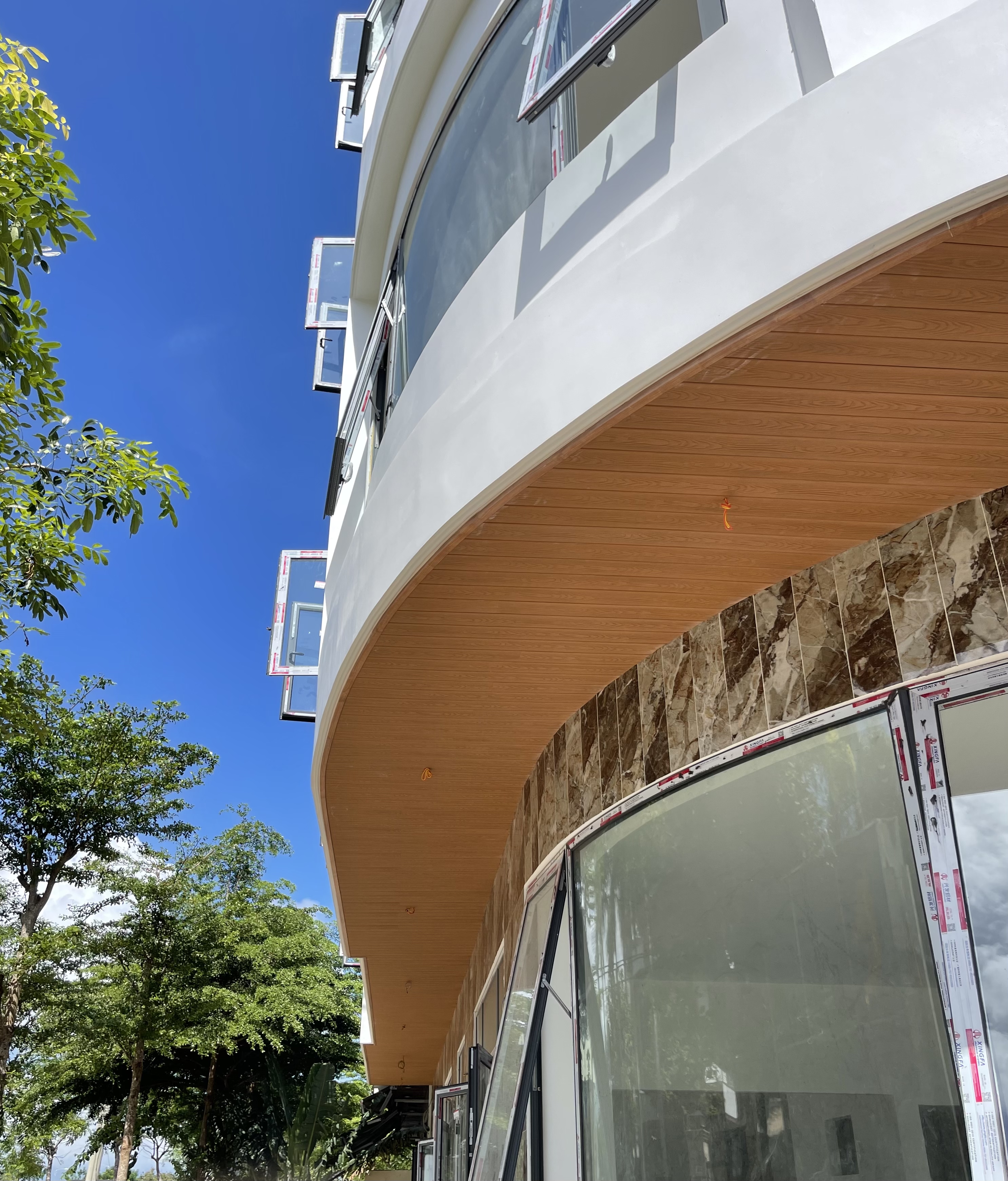
At MexyTech, we manufacture high-performance WPC products tailored for global markets. Our materials are engineered for beauty, strength, and cost-efficiency—helping you build smarter, greener, and more durable outdoor spaces.
Contact us at info@mexytech.com to request a quote, sample, or consultation.