English


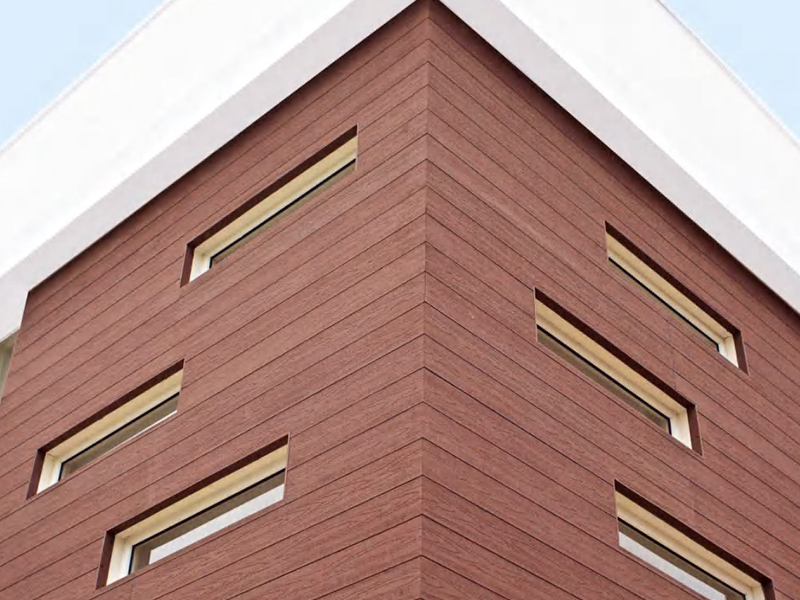
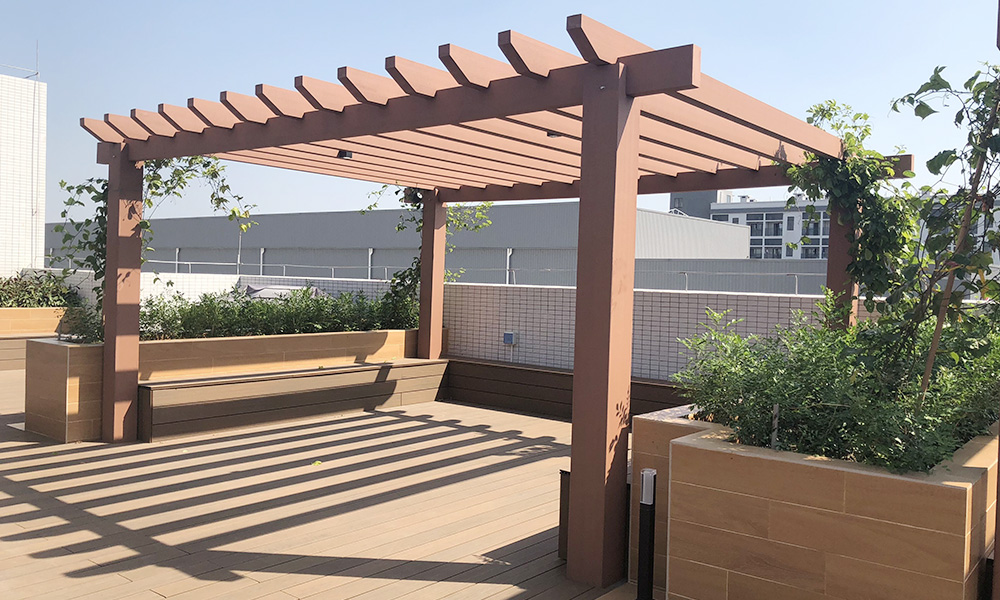
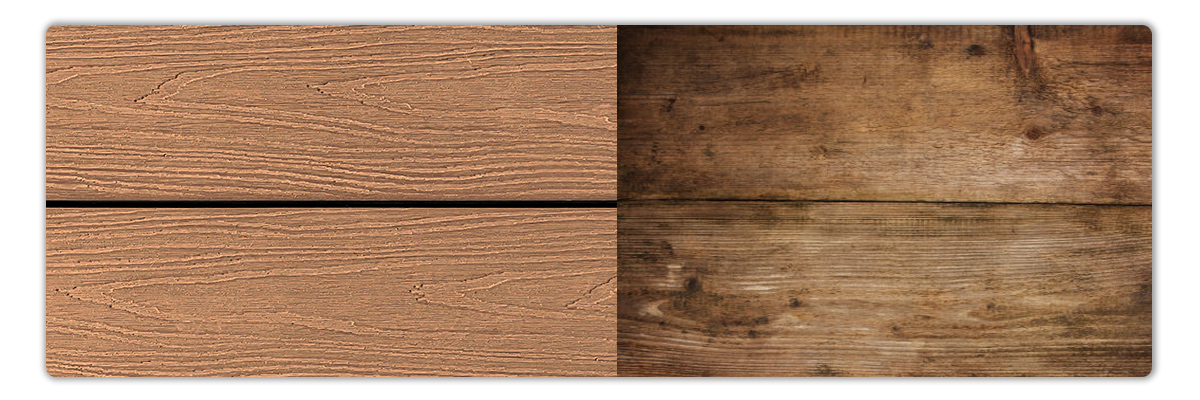
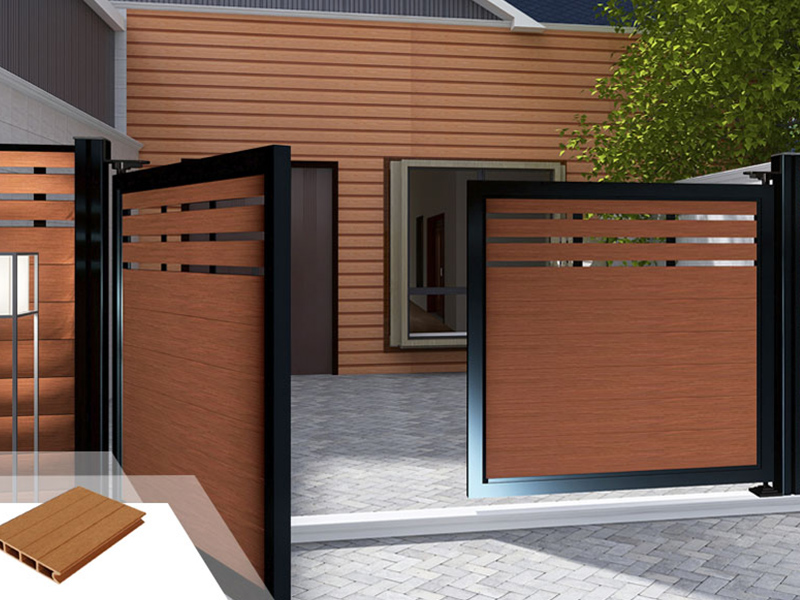
Author: Kevin Lo, Head of Marketing, MexyTechPublished: July 31, 2026Composite wall cladding is an exterior or interior covering made from a blend of materials, commonly wood fibre and thermoplastic, formed into boards or panels.On exterior walls, it creates a timber-inspired finish while reducing t
South African projects need exterior wall cladding that works with the local brief: strong sun exposure, wind-driven rain in coastal areas, temperature swings, maintenance expectations, and a façade design that still looks intentional years after installation. The right answer is not always the same
WPC fencing Australia, composite fencing Australia, composite privacy fence Australia, vertical composite fence, Colorbond alternative, composite wall cladding Australia, WPC wall cladding outdoor, ASA fencing Australia