English

Views: 0 Author: Site Editor Publish Time: 2025-12-12 Origin: Site
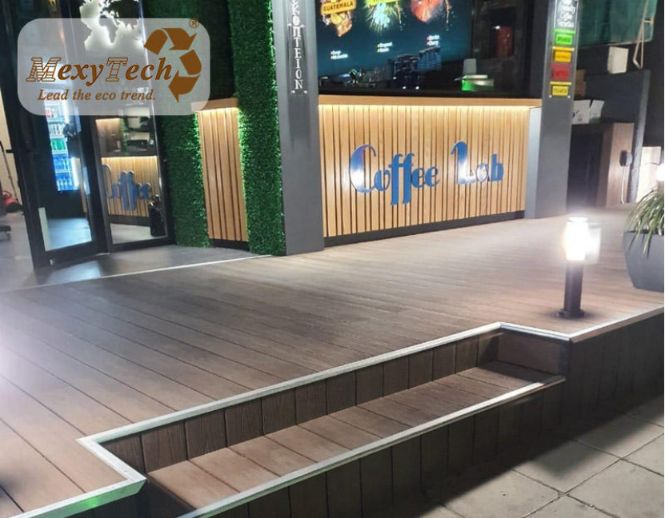
Composite decking, often called WPC, mixes wood flour with plastic for a durable outdoor surface. This blend creates boards that look like wood but resist rot better.
In the 2025 North American market, prices hover between $8 and $20 per square foot. That wide range sparks questions about what drives the differences.
Price per square foot serves as the standard unit in the industry. It lets buyers compare brands and sizes easily. This article centers on WPC to guide readers away from cheap pitfalls and overpriced options.
Type | Representative Brand (s) | 2025 Average Price (USD/sq ft) | Key Features & Cost Performance Evaluation |
Traditional WPC | Generic / Low end brands | $8–12 | High cost performance, but prone to fading and cracking |
Capped / Co-Extrusion WPC | $11–16 | Best overall value for money in 2025 | |
Premium Co-Extrusion / Cool Touch Technology WPC | Millboard | $14–19 | Excellent performance and features, slightly expensive |
Full PVC / Mineral Composite (PVC Decking) | AZEK | $15–22+ | Most durable and longest lasting, relatively lower cost performance |
The mix of wood flour and plastic shapes the core differences. Higher wood content, say over 50 percent, keeps costs down but weakens weather resistance. Plastics like HDPE outperform PP in durability.
Using 100 percent virgin materials pushes prices up. Add UV inhibitors or anti mold agents, and costs rise by 20 to 30 percent. These tweaks make boards last longer in harsh sun or rain.
WPC combines wood and plastic, while full PVC skips the wood for pure synthetics. Aluminum plastic variants add metal for extra strength. In 2025, average prices run like this: capped WPC at $8 to $14, co-extrusion full capped WPC at $12 to $18, and full PVC at $15 to $22.
Type | Pros | Cons | 2025 Avg Price (USD/sq ft) |
WPC | Affordable, wood like feel | Can fade or crack over time | $8-18 |
Full PVC | Highly durable, low maintenance | Feels less natural, higher cost | $15-22 |
Aluminum Plastic | Strong, lightweight | Limited colors, pricier | $18-25 |
Full PVC suits wet areas best, but WPC often wins on budget.
High recycled content, like ocean plastics, boosts costs by 10 to 25 percent. FSC certification adds value for green builds.
Brands like Trex and Fiberon reflect this in their pricing. These features earn points in eco certifications, appealing to builders chasing LEED credits. Yet, not every project needs them, so weigh the extras carefully.
In 2025, brands fall into tiers. High end ones charge $15 to $22 per square foot with mature tech and heavy marketing. Mid high value options, like MexyTech's third gen co-extrusion, sit at $11 to $16. Budget tiers range $8 to $13, often own brands for tight budgets. But after five to eight years, fading and cracking complaints spike in cheaper lines.
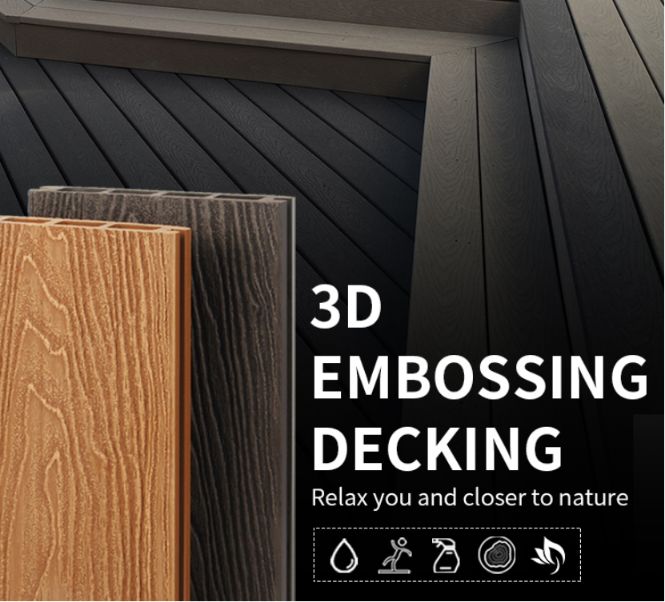
Many clients from Canada and the U.S. East Coast say MexyTech's 3D deep embossed grain rivals high end realism. It feels like real hardwood, saving 20 to 30 percent on costs. Sometimes, a quick sample check reveals the difference.
Warranties signal quality directly. A 25 year fade and stain coverage contrasts with 50 year or lifetime ones. Spend $3 more per square foot, and gain 30 years without replacements. That ROI adds up fast for homeowners.
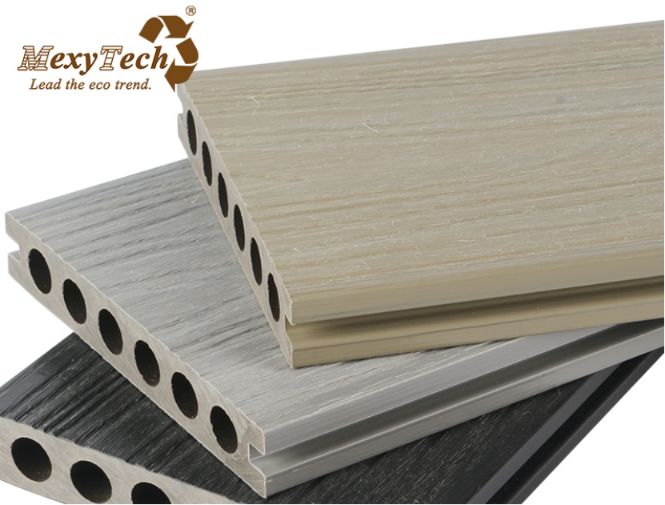
Three or four layer co-extrusion adds protection layers. 3D wood grain boosts aesthetics. Cool deck tech keeps surfaces comfortable in heat. Anti bacterial coatings fend off mold. Each feature hikes prices by $2 to $5 per square foot. Innovations like these evolve quickly, so check recent models.
Bulk buys lower material costs per square foot. Larger decks benefit from tiered pricing. Under 500 square feet, though, fixed fees make unit prices climb.
Multi level platforms or curved edges waste 15 to 30 percent more material. Inlaid patterns and hidden fasteners demand precision cuts. These push up the effective price.
WPC weighs 20 percent more than wood. Foundations might need beefing up, or joists spaced closer. This indirectly adds to the bill, especially on uneven ground.
In 2025 North America, pro labor runs $4 to $10 per square foot. DIY saves 40 to 50 percent. But 90 percent of warranties require pros, or they void. Screws, clips, and joists factor in too.
Aluminum joists cost more but last. Zipdeck no screw systems ease installs, cutting labor, though boards price higher. Easier maintenance later, with quick disassembly.
Labor varies by area: $8 to $12 in California, $4 to $7 in the Midwest. Second story decks over 1.2 meters or old home retrofits add 20 to 50 percent. Slopes or access issues complicate things further.
Municipal permits, HOA approvals, and engineer drawings slip minds easily. They average $500 to $3000. Factor them early to avoid surprises.
Composite or aluminum railings cost $45 to $120 per linear foot. Low voltage LED lights run $15 to $35 each. These outpace main board prices significantly.
Built in benches or fire pits require custom slotted boards. That can hit $25 to $40 per square foot. Plan these for seamless fits.
Quality WPC needs almost no upkeep. Over 10 years, save $3000 to $6000 on cleaning or painting. Total cost of ownership shows why pricier options pay off.
Near port spots like BC or California see freight at $0.5 to $1 per square foot. Tariffs, wood shortages, or oil swings affect prices in real time.
Spring peaks from March to May, up 15 to 25 percent. Winter stockpiling saves 10 to 20 percent. Watch economic shifts for deals.
Material | Initial Cost (USD/sq ft) | 10 Year Total Cost | Notes |
Redwood | $10-15 | $25-35 | High maintenance |
Pressure Treated Pine | $5-10 | $15-25 | Warps easily |
PVC | $15-22 | $20-30 | Low upkeep |
WPC | $8-20 | $12-25 | Best mid range value |
WPC shines in mid to high markets for balance.
Break down quotes: materials, labor, taxes separate. Ask for real samples and cert reports. Shop around, but check reviews.
Go for mid high co-extrusion WPC with hidden fasteners and 25-30 year warranties. This combo delivers top bang for buck. Some brands nail this balance perfectly.
Use this formula: materials + labor + accessories + 10% waste + taxes = true landed price. Try online calculators or simple spreadsheets for estimates.
Materials, brands, design, installation, add ons, market trends, location, and innovations all sway composite decking costs.
WPC prices range from $8 to $22 per square foot, driven by capping processes, warranty lengths, and tech add ons.
MexyTech hits the sweet spot for value. For 2025 MexyTech factory prices—grab the latest quote now.
Installed composite decking in North America currently ranges from $8–$22 per square foot, with most quality projects landing between $14–$18.
Price differences come from capping technology, warranty length, raw material quality, brand, and added features like cool-deck or anti-microbial layers.
Reliable full-capped/co-extrusion WPC starts around $11–$13 per square foot (material only) from value brands like MexyTech.
Yes—over 10 years, mid-range WPC costs $12–$25 per square foot total, while pressure-treated wood or redwood often hits $20–$35 when maintenance is added.
Labor typically runs $4–$10 per square foot in 2025, depending on region and deck complexity; DIY can save 40–50%, but most warranties require certified installers.