English

Views: 0 Author: Site Editor Publish Time: 2026-02-20 Origin: Site
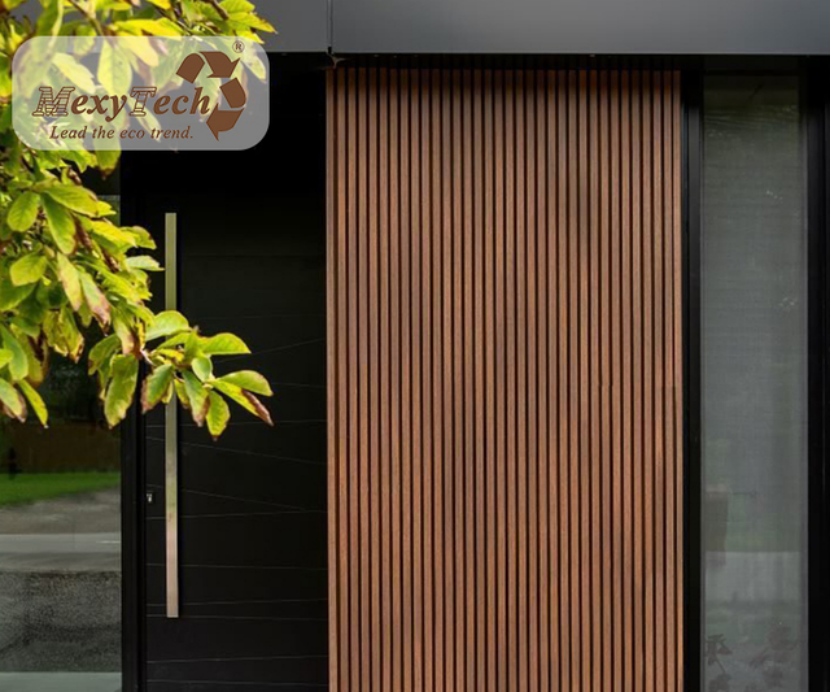
PVC, ASA, and WPC wall cladding serve as popular choices for outside use. Yet, they differ a lot in how well they perform, their looks, and how long they last. Folks looking for a solid long term option with little upkeep and good protection from weather often pick ASA or WPC. Still, if money is short or the job is just for a while, PVC could work fine.
PVC cladding comes from polyvinyl chloride. This plastic material sees common use in outside jobs. It weighs little. You can cut it easily. And installation is straightforward. Because of its low price, people choose it for fast fixes or projects with tight budgets. However, it provides only basic defense against weather. Plus, it might break down after long time in UV light.
ASA stands for Acrylonitrile Styrene Acrylate. Engineers made it for strong outdoor use. It fights off UV rays, chemicals, and color loss. NovAS is MexyTech’s top ASA wall cladding line. It has improved surface treatment. This boosts its resistance to wear and scratches. So, ASA panels fit well in spots with strong sun or wild temperatures.
WPC means Wood Plastic Composite. It mixes wood fiber with plastic. This gives it a natural wood appearance. At the same time, it holds up better and fights weather well. MexyTech’s WPC wall cladding keeps water out. It stops mold. It blocks termites. It resists UV. And it avoids cracks or warping. No upkeep needed. Also, it helps the environment. That’s because it often uses recycled stuff.
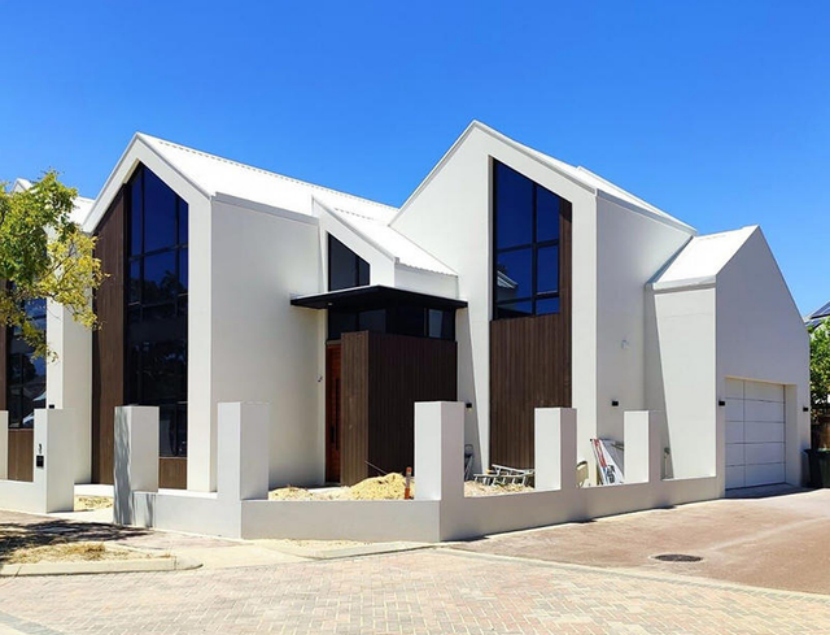
PVC panels manage okay in mild outdoor spots. But they have weak points. They tend to bend or split under long sun or big temperature changes. Their weak UV defense can cause color shifts. This harms both the appearance and strength over time.
ASA panels do great in tough weather. They handle UV and hits very well. This leads to steady performance for years. And they keep colors steady even in bright sun. NovAS series features ASA panels with a UV resistance rating of 3000H. It also has a thermal expansion coefficient of 35x10⁻⁶. These traits help it stay in shape.
WPC panels stand up well to rot, mold, and water harm. They suit damp or wet areas. And they come with guarantees against termite or bug damage, rot, and fungus growth.
PVC cladding often shows a smooth or shiny surface. Some textures are available. But choices are few. And they seldom match the cozy feel of true wood.
ASA cladding provides flat or soft shine finishes. These hold up nicely as time passes. NovAS panels offer colors like wood, such as teak, walnut, and maple. They keep a steady look. Fading or chalking stays low.
WPC cladding shines for its warm sight. It has grain patterns like wood. Colors come in earth shades, like IPE, antique, ashwood, dark grey. The Suprotect series adds a two tone choice. This boosts shadow effects. It suits designers who want more depth.
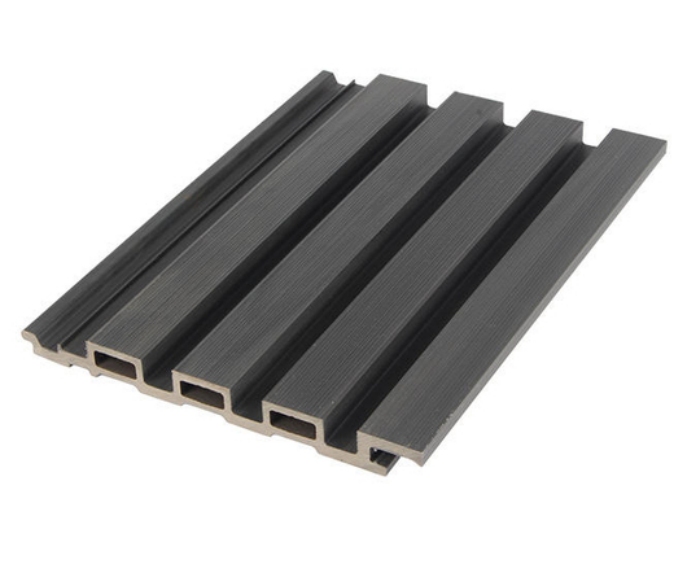
PVC panels weigh light. They cut simple. This makes them good for do it yourself work. Yet, for big areas or spots with much exposure, you might add support. That stops bending.
ASA panels bend enough for curves or special forms. They hold size well. And their low heat expansion means less change with temperature shifts.
You can cut and shape WPC panels like wood. They weigh more than ASA or PVC ones. So, they need sturdy bases, like aluminum joists, for good hold.
Material | Weight | Structural Implication |
PVC | Lightest | Easy handling; may need reinforcement |
ASA | Moderate | Balanced strength vs. weight |
WPC | Heaviest | Requires stronger support systems |
The NovAS NAS-WP011 model weighs 1.73kg/m with an overall density of 0.95. It gives a firm feel without too much weight.
PVC panels call for steady cleaning. This stops dirt or chalk build up. ASA panels need little care. A quick rinse now and then keeps them clean. WPC may want washing from time to time based on the place. But it fights mildew good.
PVC cracks easy from hits. If hurt, you often replace the whole panel. ASA fights scratches well from its surface boosts. NovAS ASA cladding shows better wear hold thanks to that improved treatment. WPC lasts long. But it can scratch. Fixing those takes more work than you think.
· PVC: Lowest upfront cost
· ASA: Highest due to advanced material properties
· WPC: Mid range pricing reflecting its composite construction
PVC costs little at first. But it might need swap sooner from wear. ASA asks for more money up front. Yet it gives strong hold with less fixes later. WPC mixes good work, looks, and price. It makes a wise pick in between.
MexyTech sells both ASA and WPC cladding options. They fit various project types in homes and business spots. The focus stays on long life and design ease. Whether you're working on a residential or commercial project, our cladding materials provide superior performance in various environments. Explore our wide range of options and contact MexyTech today for your ideal wall cladding solution!
A: ASA tends to last the longest due to its UV resistance and minimal fading.
A: Yes, it resists mold, rot, and water absorption well.
A: Not ideal—PVC can warp or discolor under prolonged sun exposure.
A: No, ASA maintains its color without painting thanks to its UV stable surface.