English

Views: 85 Author: Site Editor Publish Time: 2026-07-10 Origin: Site
When buildings are exposed to extreme climates—intense sunlight, heavy rain, strong winds, snow, humidity, or coastal salt air—choosing the right siding material becomes critical. The wrong exterior cladding can crack, fade, warp, or rot within a few years. The right one can protect your structure for decades.
As a professional WPC manufacturer since 2009, MEXYTECH understands the importance of durability, stability, and long-term performance. In this guide, we explore the best siding materials for harsh weather and explain how to choose the most reliable solution for your project.
Before comparing materials, it's important to understand what “harsh weather resistance” really means. High-performance siding should offer:
Moisture resistance (rain, snow, humidity)
UV resistance (strong sun exposure)
Wind resistance (storms and typhoons)
Impact resistance (hail or debris)
Thermal stability (extreme heat and freezing temperatures)
Low maintenance requirements
Long service life
Let's examine the top siding options that perform best under demanding environmental conditions.
Wood Plastic Composite (WPC) siding combines recycled wood fibers and high-quality polymers to create a durable, eco-friendly alternative to natural wood.
Water-resistant: Unlike natural wood, WPC does not absorb moisture easily.
Anti-rot and anti-mold: Ideal for humid and rainy climates.
UV-stable: High-quality WPC contains UV inhibitors to reduce fading.
No cracking or splintering: Performs well in freezing conditions.
Low maintenance: No painting, staining, or sealing required.
Termite-resistant: Unlike traditional wood siding.
WPC siding is especially suitable for:
Coastal areas with salt air
Tropical climates with high humidity
Regions with strong sunlight exposure
Areas with large temperature fluctuations
With proper formulation and manufacturing standards, WPC siding offers long-term structural stability and aesthetic appeal.

Fiber cement siding is made from cement, sand, and cellulose fibers. It is known for its strength and fire resistance.
Highly durable and impact-resistant
Fire-resistant
Performs well in high heat
Resistant to insects and rot
Heavy material, requiring reinforced structure
Installation is more complex
Can crack in extreme freeze-thaw cycles if improperly installed
Requires periodic repainting
Fiber cement works well in hot, dry climates and areas prone to wildfires.
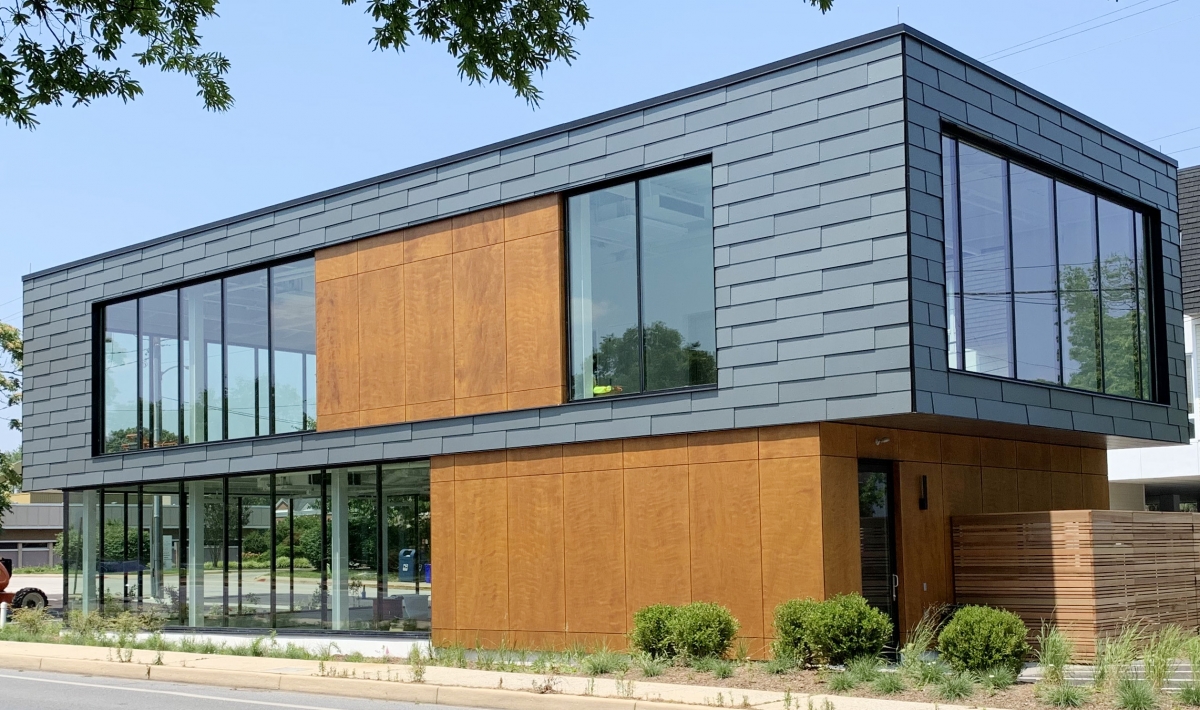
Vinyl siding is popular due to its affordability and ease of installation.
Low cost
Lightweight
Resistant to moisture
Minimal maintenance
Can warp under extreme heat
May crack in very cold temperatures
Lower impact resistance compared to WPC or fiber cement
Strong winds may loosen panels if not installed correctly
Vinyl can be suitable for moderate climates but may not be ideal for extreme temperature regions.
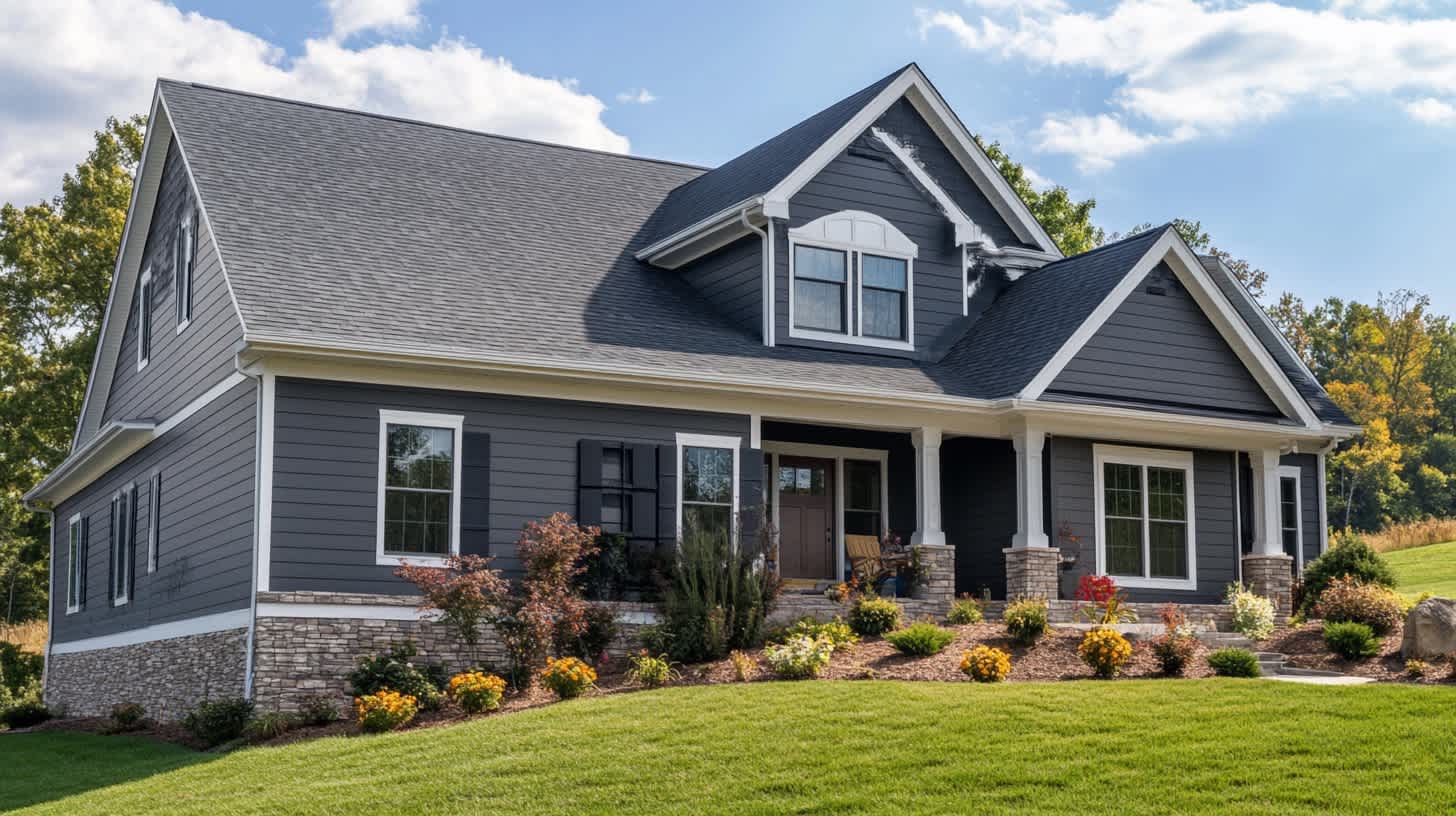
Metal siding, including aluminum and steel, offers high strength and modern aesthetics.
Excellent wind resistance
Fire-resistant
Long lifespan
Resistant to pests
Can corrode in coastal environments if not properly coated
Conducts heat and cold
Can dent from hail or impact
Higher material cost
Metal siding performs well in storm-prone areas but may require protective coatings in marine climates.
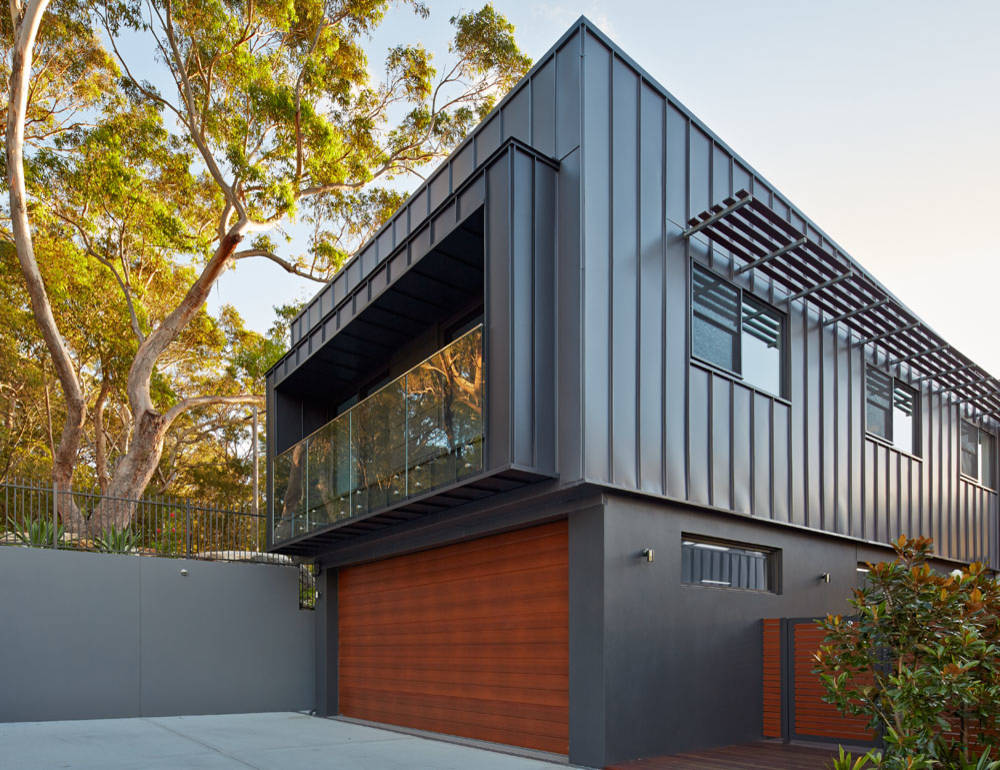
Compared to traditional materials, high-quality WPC siding offers a balanced combination of durability, aesthetics, and sustainability.
Superior moisture resistance compared to wood
Better thermal stability than vinyl
Lighter and easier to install than fiber cement
No rust or corrosion like metal
Environmentally friendly composition
Modern WPC formulations are engineered specifically for outdoor performance. With proper UV stabilization and structural reinforcement, WPC siding can maintain its appearance and structural integrity for many years, even in demanding climates.
WPC MANUFACTURER丨SINCE 2009丨MEXYTECH
Founded in 2009, we provide high-quality Wood Plastic Composite (WPC) products as a durable, eco-friendly alternative to natural wood. Our exterior wall cladding systems are designed to withstand challenging environmental conditions while maintaining modern aesthetics and long-term performance.
With strict quality control, advanced production technology, and global export experience, MEXYTECH delivers reliable WPC siding solutions for residential, commercial, and architectural projects worldwide.
For product inquiries or partnership opportunities: info@mexytech.com