English

Views: 0 Author: Site Editor Publish Time: 2026-01-23 Origin: Site
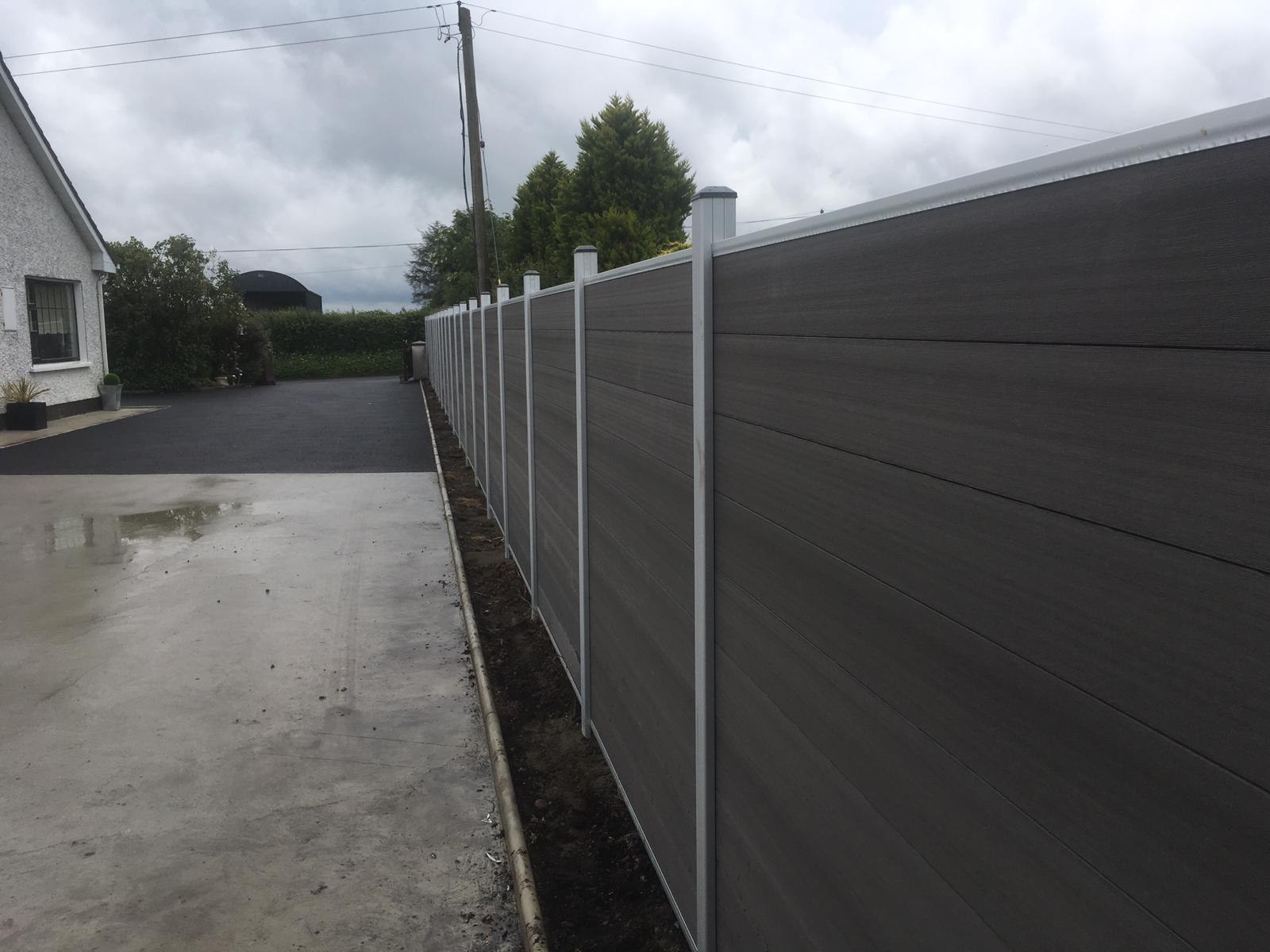
When researching outdoor fence materials, many people come across the terms “WPC fence” and “composite fence” and wonder whether they refer to the same product. The short answer is: all WPC fences are composite fences, but not all composite fences are WPC. Understanding this distinction is crucial for choosing a fence that is both aesthetically pleasing, durable, and cost effective.
Composite Fence is a broad category referring to any fencing material made by combining two or more distinct components to create a product with enhanced properties. The goal is to combine the advantages of each component while minimizing their disadvantages.
Common types of composite fencing:
· WPC Fence (Wood Plastic Composite): A leading category.
· PVC (Polyvinyl Chloride) Fence: Made primarily from plastic.
· ASA Fence: Utilizing Acrylonitrile Styrene Acrylate, a high performance engineering plastic.
WPC Fence, therefore, is a specific type of composite fence. It’s the result of a precise fusion, typically using recycled materials, which gives it a unique set of characteristics that often outperform other composites and traditional wood.
A true WPC fence, as defined in Alibaba product knowledge, is engineered by combining wood fibers/wood flour (often 65% or more) with polymers like HDPE or PP (around 30%), and a small percentage of additives for stability and color. This formula is extruded to create boards that are solid throughout (“solid core”).
· Authentic Wood Aesthetic: Offers grained, brushed, or embossed textures that closely mimic real wood, available in colors like Teak, Walnut, and Dark Grey.
· Inherent Durability: Naturally waterproof, anti fungal, and termite proof due to its plastic matrix, requiring zero sealing or staining.
· Structural Strength: Denser and more robust than hollow PVC profiles, better resisting impact and heavy winds.
· Eco Conscious: Utilizes recycled wood and plastic content, carrying certifications like FSC and Green Label.
· Proven Longevity: Backed by substantial warranties (e.g., 10 year structural warranty for outdoor use as per MexyTech documentation).
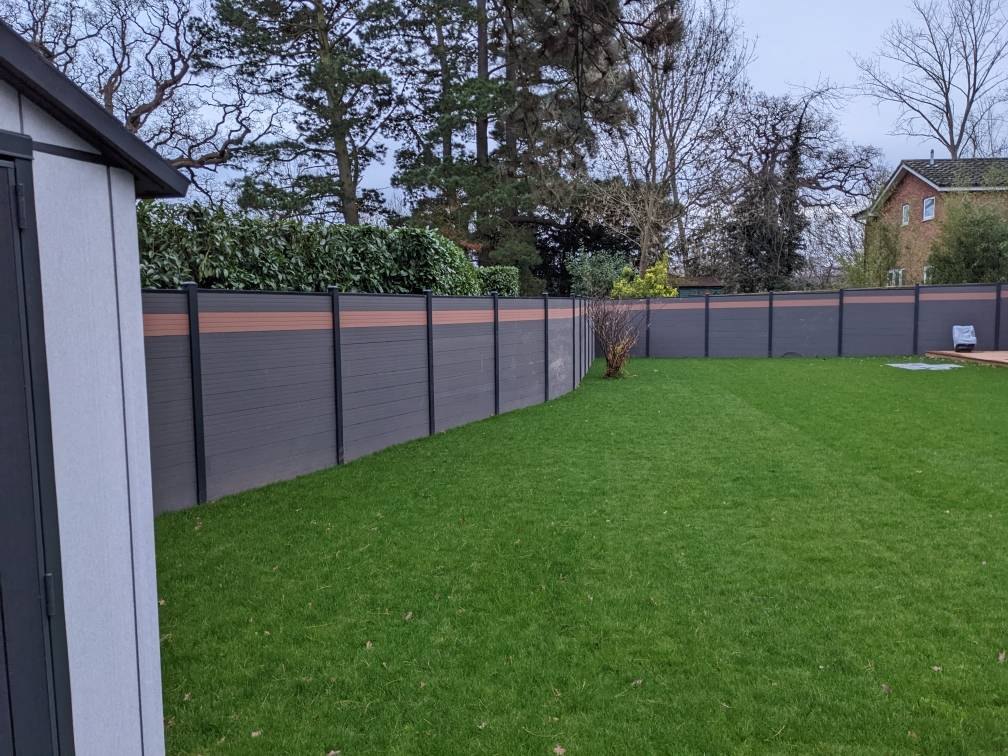
MexyTech takes WPC fencing further with its MecoFence line, which represents a “first generation aluminum WPC composite fence.” It pairs a WPC panel for warmth and texture with a structural aluminum alloy frame.
This hybrid design solves common weaknesses:
· Unmatched Strength: The aluminum framework provides exceptional rigidity, with tested resistance to forces equivalent to Grade 9-10 winds (as per Intertek wind load test report #240411095GZU-001).
· Faster, Cleaner Installation: A modular system with hidden fasteners and pre designed bases (for both soil and concrete) simplifies assembly.
· Dual Sided Beauty: Panels are finished on both sides, providing an elegant appearance for you and your neighbor.
To understand why WPC often stands out, it’s helpful to look at other materials under the “composite” umbrella.
Material: Primarily virgin or recycled polyvinyl chloride, often in hollow profiles.
Pros: Lightweight, initially low cost, good moisture resistance.
Cons vs. WPC: Prone to fading, chalking, and becoming brittle under prolonged UV exposure (as noted in MexyTech’s comparison charts). It can feel less substantial and has a more plastic like appearance. Performance can degrade in extreme temperature swings.
Material: Uses an ASA resin cap over a composite core (e.g., PVC + wood fiber). MexyTech’s “FlowShield” fence is an example.
Pros: Exceptional UV resistance (proven by 3000+ hour QUV testing), lighter weight, and excellent color retention. Often has a more modern, sleek profile.
Cons vs. WPC: May have a different aesthetic feel and is typically positioned as a premium solution. The core material differs from the classic WPC formula.
Feature | WPC Fence (e.g., MexyTech MecoFence) | Typical PVC Fence | ASA Composite Fence | Traditional Wood |
Primary Material | Wood Fiber + HDPE/PP | PVC Plastic | ASA Resin + Composite Core | Solid Timber |
Core Feel & Aesthetic | Solid, substantial, realistic wood grain | Lightweight, can feel hollow, plastic look | Sleek, modern, consistent finish | Natural, authentic |
UV & Weather Resistance | Excellent, low fading (≤11% per docs) | Poor, prone to fading/chalking | Excellent, best in class | Poor, requires sealants |
Moisture & Pest Resistance | Inherently waterproof & insect proof | Waterproof, insect proof | Waterproof, insect proof | Susceptible to rot, warping, insects |
Maintenance | Zero. Just occasional washing. | Low, but may need cleaning | Zero. Just occasional washing. | High (annual staining/sealing) |
Structural Strength | High (enhanced with aluminum frame) | Moderate | Moderate to High | Variable, weakens over time |
Eco Factor | Uses recycled content, certified | Uses recycled plastic | Uses recycled/renewable content | Depletes forest resources |
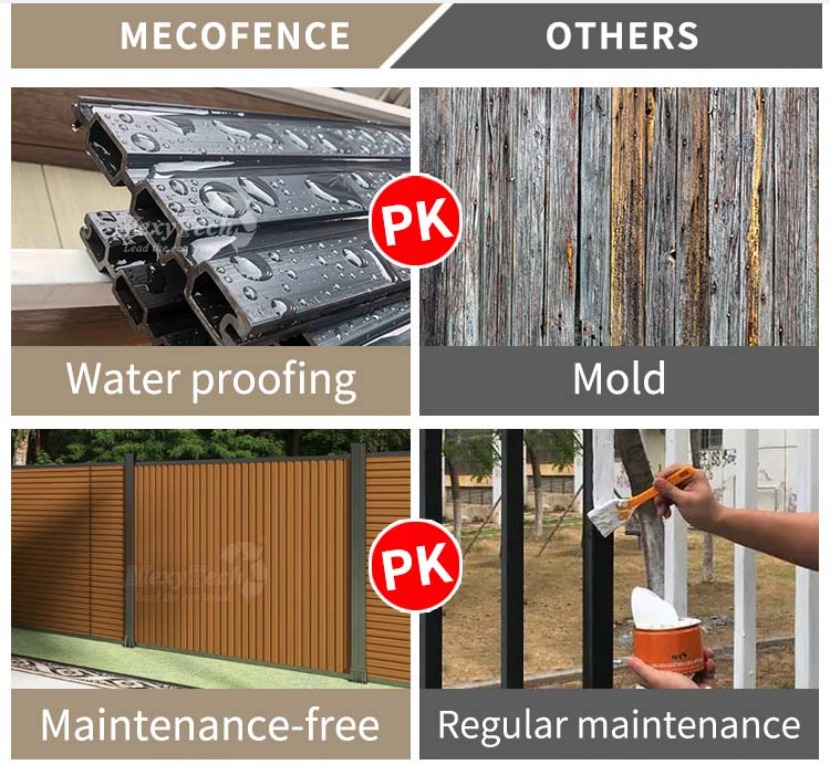
While “composite fence” is a useful starting point, specifying WPC narrows your search to a material that delivers superior wood like beauty and proven outdoor durability. Among WPC options, systems like MexyTech’s MecoFence that incorporate intelligent design—such as aluminum structural frameworks—offer peak performance in terms of strength, longevity, and ease of installation.
Before you decide, consider:
1. Priority on Natural Look & Feel: WPC is the clear winner.
2. Concern about Maximum Fade Resistance: Explore high end ASA composites.
3. Need for Uncompromising Strength in High Wind Areas: A hybrid aluminum WPC system is ideal.
4. Total Cost of Ownership: Factor in 10+ years of zero maintenance for WPC vs. annual upkeep for wood or potential replacement of lower grade composites.
MexyTech offers over 30 standard profiles, from privacy to lattice designs, with full customization capabilities. Our materials are proven in global projects, from coastal resorts to private estates. Contact us today for technical specifications, test reports (including fire, wind, and fade resistance), and to discuss your specific fencing project.
No. All WPC is composite, but not all composite is WPC.
More solid, heavier, looks & feels like real wood, stronger, fades less.
WPC panels + aluminum frame = extremely strong (handles 9–10 grade winds), fast install, looks great on both sides.
ASA > WPC > PVC.
No painting/staining, no rot, no insects, no warping, uses recycled materials, lasts much longer with zero upkeep.